
Smart & Safe: Skills-Based Volunteering as Told by Angela Micocci
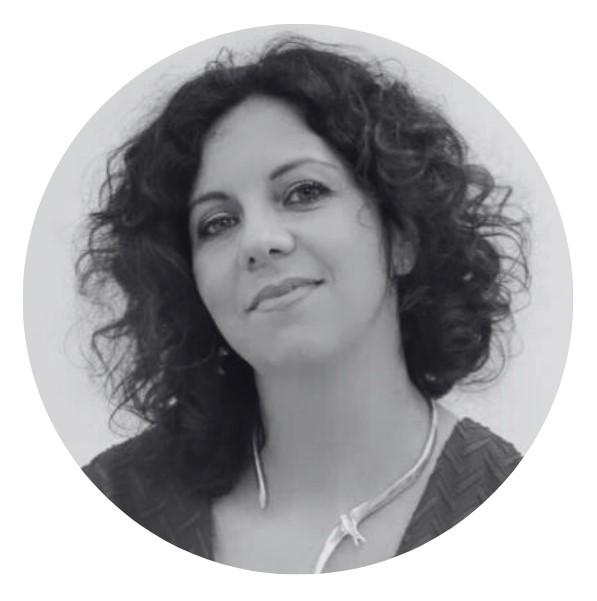
Lending your cell phone to a friend and giving them full access to your personal information—even if “just for two minutes”—or thinking you’re immune to any attempt at data theft… these are some of the scenarios that emerged during the Smart & Safe event held at the Schiaparelli-Gramsci high school in Milan on April 21. Angela Micocci, Customer Success Account Manager at Microsoft, is one of 160 volunteers who joined the initiative by Fondazione Mondo Digitale and Microsoft to provide Italian high school students with the expertise and knowledge of cybersecurity experts, through one-and-a-half-hour sessions as part of the Ital.IA Lab for School project. The most motivated students mentioned following influencers on security topics, while others showed great interest in careers related to cybersecurity; however, everyone participated enthusiastically in the session, asking for further discussion.
While the students’ response was positive, Angela Micocci’s feedback is even stronger: “I joined with great enthusiasm because I believe that today, talking about AI, security, and the mindful use of technology isa shared responsibility. Young people live immersed in the digital world every day, but often without having all the tools to truly understand its risks and opportunities. Knowing that I could contribute, even in my own small way, to raising awareness felt like something very concrete and useful.”
“It was a much more engaging experience than I imagined. I found the classes to be very attentive, curious, and incredibly interactive. The level of participation was very high: they asked many questions, including very practical ones closely tied to their daily lives—from the dark web to geolocation on social media—and even asked whether certain platforms they use regularly are safe. The best part was seeing an authentic dialogue emerge and even receiving an invitation to return to the classroom.”
The young participants showed a willingness to learn and a strong desire to better understand, protect themselves, and make more informed choices. This curiosity demonstrates that the younger generations don’t just want to use technology, but also to understand it. This is also because “Being digital natives doesn’t automatically mean being security-conscious. Many young people use tools and platforms with great ease, but often underestimate aspects such as privacy, data protection, and related risks.”
The opportunity to connect with the school community and, above all, with the students’ enthusiasm was fundamental for Angela: “Taking your skills outside the corporate context and putting them at the service of the community changes your perspective: it reminds you how much our work can have a real impact on people. It’s also an important exercise in active listening, simplification, and engaging communication.”
“Experiences like this generate mutual value: for the students, but also for those participating as volunteers. You come away with renewed energy, new perspectives, and a greater awareness of the role we can play as professionals in society.
Why is it important for a professional to have opportunities for skills-based volunteering? “They help develop empathy, communication skills, and a sense of responsibility. Often in our daily work, we’re focused on goals and processes; initiatives like this bring us back to the social impact of the skills we use every day.”
They strengthen culture, motivation, and a sense of belonging: “It was also wonderful to exchange ideas and share experiences with the other volunteers, creating almost a community united by the desire to contribute and do something useful together. When an organization encourages its people to share knowledge and create a positive impact externally, it sends a strong message: skills aren’t just for generating business, but also for creating social value.”
Putting one’s skills to work for a social cause changes how one perceives one’s work because one gains an even deeper understanding of the transformative potential of technology and professional skills: “It makes you see your work as a tool to contribute concretely to knowledge sharing and an opportunity to give back to the generations who will be the leaders of the future. Experiences that create more authentic connections with corporate values and help people feel part of something with a broader impact. This increases motivation, pride, and engagement.”
The organization also learns a lot: “To listen more closely to real society, the younger generations, and the concrete needs of the community. And we come to understand that innovation and technology have value above all when they become tools for inclusion, awareness, and collective growth.”
 Interview by Onelia Onorati, press office of the Fondazione Mondo Digitale.


