
The knowledge economy: a vision that returns
‘Culture saves us in these complicated times’: this was reiterated by the President of the Republic, Sergio Mattarella, speaking at the celebrations in Nuoro for the centenary of Grazia Deledda's Nobel Prize for Literature (14 February 2025). ‘It is an important moment in the life of the world, not always clear, not always orderly’ and culture offers ‘an indispensable contribution to addressing all the problems and emergencies that arise’.
In 2008, when the topic of the knowledge economy was still far from mainstream debate, the Fondazione Mondo Digitale brought a crucial question to the forefront of public discussion: how to build a democratic knowledge society capable of inclusion, participation and development?
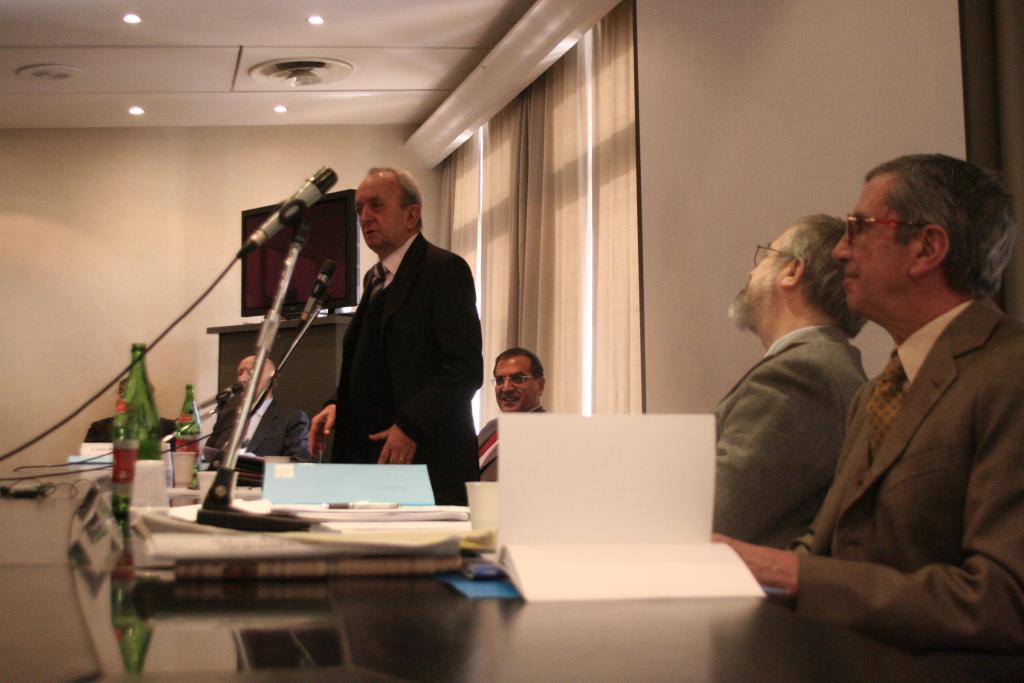
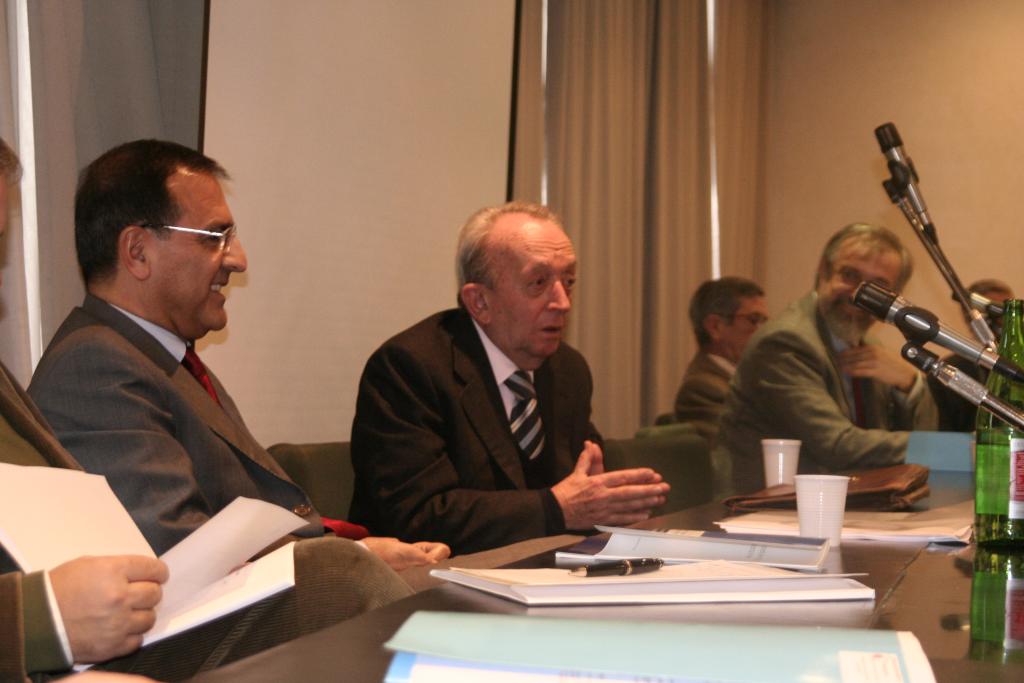
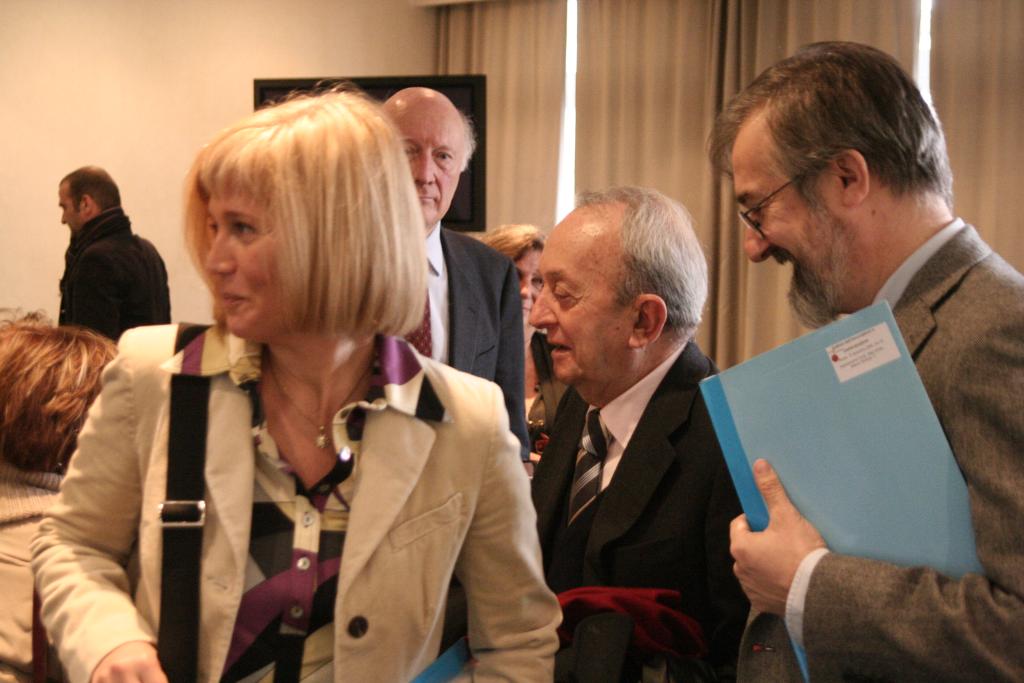
That year, the Foundation promoted the study day ‘Culture of Innovation and Participation’ (Rome, 10 December 2008), bringing together for the first time two complementary studies that offered a comprehensive overview of the Italian situation.
On the one hand, Tullio De Mauro (Torre Annunziata, 31 March 1932 – Rome, 5 January 2017) and Adolfo Morrone analysed Levels of Participation in Cultural Life in Italy, providing a detailed map of critical issues and potential. On the other, Alfonso Molina proposed a systemic vision with Towards a democratic knowledge society in Italy and in Rome and Lazio, linking knowledge, innovation, territories and public policies.
For the first time, data, analyses and scenarios were read as parts of a single picture: no longer sectoral “snapshots”, but an integrated overview useful for interpreting a country in transformation and identifying long-term strategies. The day was attended by scholars, public decision-makers and experts; the opening speeches by De Mauro and Molina were accompanied by a presentation by Luigi Spaventa (Rome, 5 March 1934 - 6 January 2013), confirming the economic and political relevance of the topic.
Years later, that insight is back with a vengeance. Today, the knowledge economy is being reinterpreted as a strategic asset, capable of generating value, attracting investment and impacting quality of life, as highlighted by recent analyses published by Affari & Finanza. Culture is no longer just an expense, but a productive factor, a multiplier of development and cohesion [see Torna l'economia della conoscenza (The return of the knowledge economy), Affari&Finanza, La Repubblica, 2 February 2026].
The figures confirm this trajectory. The Io Sono Cultura report by Fondazione Symbola and Unioncamere certifies that the cultural and creative production system generates €112 billion in added value, equal to 5.6% of the national total. Not only that, but the sector's growth exceeds that of the economy as a whole, with an increase of 19.2% over the three-year period.
Even more significant is its multiplier effect: for every euro produced by culture, another 1.7 euros are generated in related sectors - tourism, transport, trade - bringing the total supply chain to over €300 billion, about one-sixth of the national GDP, and involving 1.5 million professionals. But the importance of culture cannot be measured solely in financial terms. The UNESCO study Culture: The Missing SDG calls for the inclusion of culture as a stand-alone goal in the United Nations 2030 Agenda for Sustainable Development, recognising its cross-cutting role in strengthening social cohesion, resilience and well-being. The World Health Organisation also highlights how cultural participation is associated with a lower incidence of chronic diseases and depression, with positive repercussions on welfare systems.
Looking back at the work carried out by the Foundation in 2008 means recognising its methodological foresight: anticipating issues, building evidence, connecting different worlds - research, institutions, territories - to make knowledge a common good.
This is also the meaning of the column 25 years ago, today: returning to visions that were able to read the future, in order to better understand the challenges of the present.